

Exploring the psychology behind player behavior in casinos
The Allure of Gambling: Understanding Player Attraction
The psychology behind player behavior in casinos is a complex interplay of various cognitive and emotional factors. One major aspect is the thrill of uncertainty that gambling offers. The possibility of winning large sums of money can create a rush of excitement, often referred to as the ‘gambling high.’ This high can lead players to chase wins, even when they are on a losing streak, as the promise of potential rewards can overshadow rational decision-making. Additionally, engaging in sports betting new york has become a popular avenue for many bettors looking to experience this thrill.

Moreover, casinos are designed to enhance this psychological attraction. Bright lights, engaging sounds, and an inviting atmosphere create an immersive environment that captures players’ attention. This sensory overload can lead to an altered state of awareness, causing individuals to lose track of time and their spending, further encouraging gambling behavior.
The Role of Cognitive Biases in Gambling
Cognitive biases significantly influence gambling behavior. One prevalent bias is the illusion of control, where players believe they can influence the outcome of games that are purely based on chance, such as slot machines. This belief can result in players taking greater risks, as they feel empowered to affect their fate.
Another important bias is the gambler’s fallacy, where players assume that past outcomes will influence future events. For example, if a player has experienced a series of losses, they might believe that a win is imminent simply due to statistical probability. These cognitive distortions can lead to persistent gambling despite significant losses, as players cling to the hope of a forthcoming victory.
Emotional Drivers: The Impact of Mood on Gambling Behavior
Emotions play a critical role in shaping player behavior in casinos. Many individuals turn to gambling as a means of escape from stress, anxiety, or boredom. The act of playing can temporarily elevate their mood, providing a distraction from life’s challenges. However, this short-term relief can lead to a vicious cycle where individuals return to gamble repeatedly, seeking that elusive emotional high.
Conversely, negative emotions can also drive gambling behavior. Players experiencing sadness or frustration may gamble in hopes of improving their mood or alleviating their emotional suffering. This emotional rollercoaster can create a dependency on gambling, as individuals learn to associate gambling with emotional relief, further complicating their relationship with it.
The Social Aspect of Casino Gambling
The social dynamics within casinos can influence player behavior significantly. Gambling is often seen as a communal activity, where players share their experiences and excitement with others. This social interaction can enhance the thrill of playing, creating a sense of belonging among participants.
Additionally, peer pressure can play a role in encouraging gambling. Individuals may feel compelled to join in or continue playing due to the behavior of those around them. The environment can foster a competitive spirit, pushing players to gamble more to keep up with their peers or impress friends, further entrenching their gambling habits.
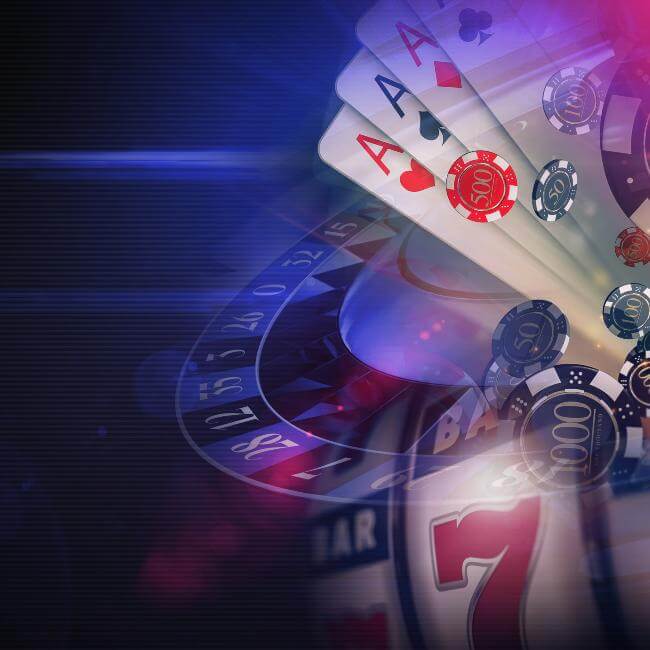
Discovering More About Player Behavior in Casinos
For those intrigued by the psychology behind player behavior in casinos, our website serves as a valuable resource. We delve into comprehensive insights surrounding the gaming experience, providing a deeper understanding of the factors influencing player decisions and behaviors.
Join us to explore a wealth of information on various aspects of gambling, from emotional triggers to cognitive biases. Our user-friendly platform offers guidance and resources to enhance your gaming journey, making informed choices in the world of casinos more accessible than ever.